
On-Page SEO Services for Small Businesses and Startups
Turn Your Website Into a Growth Engine With Strategic On-Page SEO
Getting traffic to your website is only part of the challenge. If your pages are not properly optimized, search engines may struggle to understand your content, and potential customers may never find your business. That’s where On-Page SEO comes in.
On-Page SEO is the process of optimizing individual web pages so they can rank higher in search results and provide a better experience for users. It helps search engines understand your content while making it easier for visitors to find the information they need.
For small businesses and startups, effective On-Page SEO can create a significant competitive advantage .A well-optimized website can attract more qualified traffic, improve visibility for important keywords, and increase opportunities to generate leads and sales.
Our On-Page SEO Services are designed to help businesses build stronger foundations for long-term organic growth. Whether you are launching a new website, improving an existing one, or trying to recover lost visibility, we can help ensure your pages are optimized for both search engines and users.
Ready to improve your website’s performance?
What Is On-Page SEO?
On-Page SEO refers to the process of optimizing the elements that exist directly on your website pages. Unlike Off-Page SEO, which focuses on external factors such as backlinks and brand mentions, On-Page SEO focuses on the content and structure of your website itself.
The goal is to make your pages easier for search engines to understand and more valuable for users.
Key areas of On-Page SEO include:
- Content optimization
- Keyword targeting
- Title tags
- Meta descriptions
- Heading structure
- Internal linking
- URL optimization
- Image optimization
- User experience improvements
When these elements work together, they help create pages that are more relevant, more accessible, and more likely to rank well in search results.On-Page SEO is one of the few areas of SEO where you have direct control.
By making strategic improvements to your pages, you can increase your chances of earning better rankings and attracting more qualified visitors.
Why On-Page SEO Matters
Search engines aim to provide users with the most relevant and helpful results possible. To determine which pages deserve visibility, they analyze many on-page signals.
If your pages are poorly organized, difficult to understand, or lacking useful information, they may struggle to compete in search results. Strong On-Page SEO helps communicate the purpose and value of your content.
It tells search engines:
- What your page is about
- Which topics it covers
- How it relates to other pages on your website
- Why it should be shown to users
At the same time, it improves the user experience by making content easier to read, navigate, and understand. This creates benefits for both search engines and visitors.
Why Small Businesses Need On-Page SEO
Many small businesses invest in websites but never fully optimize them. As a result, they miss opportunities to attract customers who are actively searching for their products or services. On-Page SEO helps bridge that gap.

Improve Search Visibility
If your pages are properly optimized, they are more likely to appear for relevant searches. Higher visibility means more opportunities for potential customers to discover your business.

Attract Qualified Traffic
Not all traffic is valuable. The goal is to attract visitors who are genuinely interested in what your business offers.
On-Page SEO helps align your content with user intent, bringing more relevant traffic to your website.

Create a Better User Experience
Visitors should be able to find information quickly and easily. A well-structured page encourages engagement and helps users take the next step.
Whether that step is making a purchase, requesting a quote, or contacting your business, user experience plays a critical role.

Increase Conversion Opportunities
More traffic alone does not guarantee results. Pages must also persuade visitors to take action.
On-Page SEO supports this process by improving content clarity, organization, and relevance.

Build Long-Term Organic Growth
Unlike paid advertising, On-Page SEO improvements can continue delivering value over time. Well-optimized pages can attract visitors for months or even years after they are published.
This makes On-Page SEO one of the most cost-effective long-term marketing investments available.
Who Can Benefit From On-Page SEO Services?
Almost every website can benefit from On-Page SEO. However, the impact is often greatest for businesses that depend on online visibility to attract customers.
Small Businesses
Small businesses can improve local and national search visibility while competing more effectively against larger brands.
Startups
Startups can establish stronger foundations for growth by ensuring their websites are optimized from the beginning.
Service-Based Businesses
Consultants, agencies, contractors, and professional service providers can improve visibility for the services they offer.
E-commerce Businesses
Online stores can optimize category pages, product pages, and supporting content to improve search performance.
Local Businesses
Businesses serving specific geographic areas can improve relevance for local searches and attract more nearby customers.
Common On-Page SEO Problems We Fix
Many websites struggle to achieve strong rankings because of issues that can be corrected through proper optimization. Some of the most common problems include:
Missing or Poorly Optimized Title Tags
Title tags help search engines understand page topics and influence click-through rates.
Weak titles can limit visibility and reduce traffic opportunities.
Low-Quality Meta Descriptions
Meta descriptions may not directly affect rankings, but they play an important role in encouraging users to click.
Poor descriptions often result in lower engagement.
Weak Content Structure
Content without clear organization can be difficult for users and search engines to understand.
Proper heading structure improves readability and relevance.
Keyword Targeting Issues
Many pages target the wrong keywords or fail to address user intent.
This can limit ranking potential and attract the wrong audience.
Internal Linking Gaps
Without strategic internal linking, search engines may struggle to understand relationships between pages.
Visitors may also miss valuable content that could help them move through the customer journey.
Unoptimized Images
Large image files, missing alt text, and poor image optimization can negatively affect both user experience and SEO performance.
Thin or Outdated Content
Content that lacks depth or fails to address user needs often struggles to rank against stronger competitors.
Improving content quality is frequently one of the fastest ways to increase SEO performance.
The Foundation of Effective On-Page SEO
Successful On-Page SEO is not about stuffing keywords into content. It is about creating pages that genuinely deserve to rank.
That means:
- Understanding user intent
- Providing valuable information
- Organizing content clearly
- Optimizing important page elements
- Creating strong internal connections between pages
- Delivering a positive user experience
When these elements work together, your website becomes easier for search engines to understand and more useful for potential customers. This foundation supports stronger rankings, better engagement, and long-term organic growth.
Our On-Page SEO Services
Effective On-Page SEO requires more than updating a few keywords or rewriting page titles. Every page on your website should work together to support your overall SEO strategy. Search engines evaluate hundreds of signals to understand content quality, relevance, and user experience.
Our On-Page SEO Services focus on optimizing the elements that have the greatest impact on visibility, rankings, and user engagement. The goal is simple: help search engines understand your content while helping visitors find exactly what they are looking for.
What's Included in Our On-Page SEO Service?
Every website has different strengths, weaknesses, and opportunities. That is why we begin with a detailed review of your existing pages before creating a customized optimization strategy.
Our On-Page SEO Services typically include:
- On-Page SEO Audit
- Keyword Research and Mapping
- Content Optimization
- Title Tag Optimization
- Meta Description Optimization
- Heading Structure Optimization
- Internal Linking Strategy
- URL Optimization
- Image SEO Optimization
- User Experience Improvements
- Content Gap Analysis
- Competitor Analysis
Each element plays an important role in helping your website perform better in search results.
On-Page SEO Audit
Before making recommendations, we need to understand how your website is currently performing. Our On-Page SEO Audit helps identify issues that may be limiting visibility and highlights opportunities for improvement.
The audit typically includes:
1. Content Evaluation
We analyze page quality, relevance, depth, and alignment with user intent.
This helps identify pages that need updates, improvements, or complete restructuring.
2. Keyword Analysis
We review keyword targeting across important pages to ensure each page supports a specific search intent.
This helps prevent keyword cannibalization and improves topical relevance.
3. Competitor Comparison
Understanding what top-ranking competitors are doing provides valuable insights into opportunities and content gaps.
4. Page-Level Optimization Review
We evaluate title tags, meta descriptions, headings, internal links, images, URLs, and other key on-page elements.
The result is a clear understanding of what needs improvement and where the biggest SEO opportunities exist.
Keyword Research and Keyword Mapping
Keyword research is one of the most important parts of On-Page SEO. However, effective keyword research is not simply about finding high-volume search terms. The real goal is understanding what your audience is searching for and why.
We focus on identifying:
- Primary keywords
- Secondary keywords
- Long-tail keywords
- Commercial-intent keywords
- Informational keywords
- Topic clusters
Once keywords are identified, they are mapped strategically to specific pages. This ensures every important page has a clear purpose and target audience.
Proper keyword mapping helps:
- Improve topical relevance
- Prevent keyword overlap
- Strengthen website structure
- Support better rankings
Instead of competing against your own pages, your content works together to build authority.
Content Optimization
Content is the foundation of On-Page SEO. Even a technically perfect page may struggle to rank if the content does not satisfy user intent. Our content optimization process focuses on creating pages that are helpful, relevant, and easy to understand.
1. Search Intent Optimization
Every search has a purpose.
Some users want information.
Others want comparisons.
Some are ready to make a purchase.
Understanding search intent allows us to create content that matches what users expect to find.
When content aligns with user intent, search engines are more likely to view it as relevant.
2. Content Structure Improvements
Well-organized content is easier for both users and search engines to understand.
We improve:
- Section organization
- Heading hierarchy
- Content flow
- Readability
- Content depth
The goal is to create pages that are informative without overwhelming the reader.
3. Content Freshness
Outdated information can reduce credibility and limit SEO performance.
We identify opportunities to update content with:
- New information
- Better examples
- Improved explanations
- Additional supporting sections
Fresh, accurate content often performs better over time.
Title Tag Optimization
Title tags are one of the most important On-Page SEO elements. They help search engines understand page topics and influence whether users click on your page in search results.
A strong title tag should:
- Clearly describe the page
- Include the primary keyword naturally
- Encourage clicks
- Match search intent
- Remain concise and readable
Poor title tags often limit rankings and reduce click-through rates. We optimize title tags to improve both relevance and visibility.
Meta Description Optimization
Meta descriptions provide users with a summary of your page before they click. Although meta descriptions are not a direct ranking factor, they can significantly influence click-through rates.
A well-written meta description should:
- Explain the page’s value
- Match user intent
- Include relevant keywords naturally
- Encourage action
Strong meta descriptions help improve visibility and attract more qualified visitors.
Heading Structure Optimization
Headings help organize content and improve readability. They also provide important context for search engines. Many websites misuse headings by skipping hierarchy levels or using headings inconsistently.
We optimize:
1. H1 Tags
Every page should have a clear and descriptive H1 tag that communicates the primary topic.
2. H2 Tags
H2 headings divide content into major sections and improve organization.
3. H3 and H4 Tags
Subheadings help structure information and make content easier to scan.
A logical heading hierarchy improves user experience while strengthening topical relevance.
Heading Structure Optimization
Internal links are one of the most overlooked aspects of On-Page SEO. Many websites have valuable content that remains disconnected from the rest of the site. Strategic internal linking helps solve this problem.
Our internal linking approach helps:
- Distribute authority throughout the website
- Improve page discovery
- Strengthen topic relationships
- Support user navigation
- Build topical authority
Internal links also guide visitors toward related information, increasing engagement and improving the overall user experience.
1. Building Topic Clusters
We use a pillar-and-cluster model to strengthen topical authority.
This involves:
- Creating pillar pages
- Developing supporting content
- Linking related pages strategically
- Organizing content around core topics
This structure helps search engines better understand your expertise and improves the visibility of related pages.
Image SEO Optimization
Images can improve engagement and enhance content quality. However, improperly optimized images can slow down websites and create missed SEO opportunities.
Our image optimization process includes:
1. Image Compression
Reducing file sizes without sacrificing quality helps improve loading speed.
1. Alt Text Optimization
Descriptive alt text improves accessibility and provides additional context for search engines.
2. File Name Optimization
Image file names should clearly describe the image content rather than using generic labels.
3. Image Relevance
Images should support page content and enhance user understanding.
Proper image optimization contributes to both SEO performance and user experience.
Image SEO Optimization
URLs help both users and search engines understand page content. A clean URL structure improves usability and relevance.
We optimize URLs by ensuring they are:
- Short and descriptive
- Easy to read
- Keyword relevant
- Free from unnecessary parameters
- Consistent across the website
For example:
Good:
yourwebsite.com/on-page-seo-services
Less Effective:
yourwebsite.com/page?id=12345&category=seo
Simple URLs are easier to understand, share, and crawl.
User Experience and On-Page SEO
Modern SEO is closely connected to user experience. Search engines want to recommend pages that provide value and satisfy user needs.
We evaluate factors such as:
- Content readability
- Mobile usability
- Navigation clarity
- Page layout
- Visual hierarchy
- Engagement opportunities
When users can easily find what they need, they are more likely to stay longer, engage with content, and take action. This creates positive signals that support long-term SEO success.
Content Gap Analysis
One of the fastest ways to improve SEO performance is identifying missing content opportunities. Content gap analysis helps uncover:
- Unanswered customer questions
- Missing topics
- Weak content areas
- Competitor advantages
- New keyword opportunities
Filling these gaps helps strengthen topical authority and expand your website’s visibility. Rather than publishing random content, every new page serves a strategic purpose within your SEO framework.
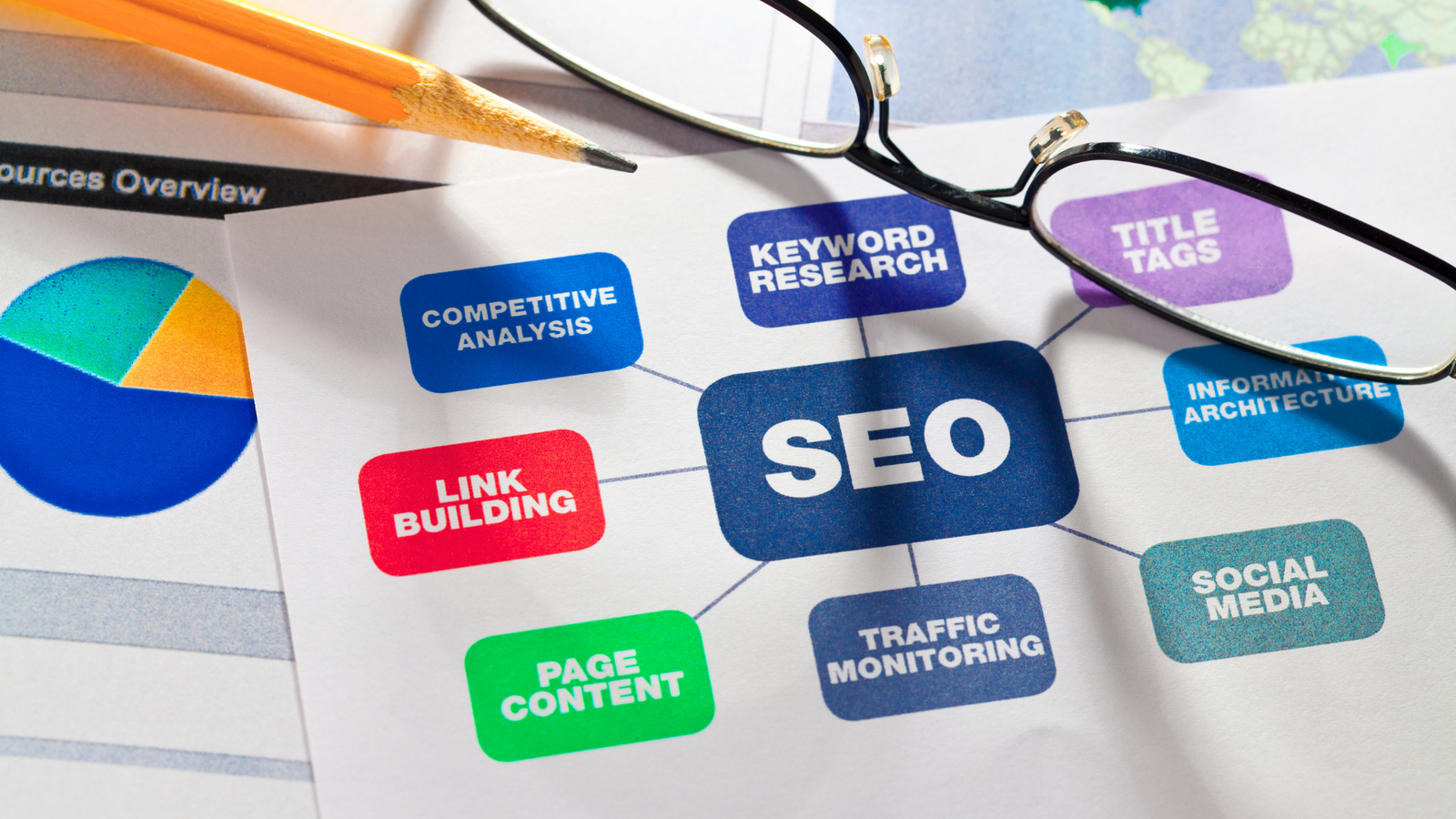
Our On-Page SEO Process
Successful On-Page SEO is built on a systematic process. Rather than making random changes to your website, we follow a structured approach that focuses on long-term growth and measurable improvements.
Each step is designed to strengthen your website’s visibility, improve user experience, and help search engines better understand your content.
Step 1: Website Analysis and Discovery
Every project begins with understanding your business, website, audience, and goals.
We review:
- Current website performance
- Existing content
- Keyword visibility
- Website structure
- Competitor landscape
- User experience
This research helps identify opportunities and ensures our recommendations align with your business objectives.
Step 2: On-Page SEO Audit
The audit focuses on identifying issues that may be affecting search visibility and user experience.
We examine:
- Content quality
- Keyword targeting
- Heading structure
- Internal links
- Meta tags
- URLs
- Images
- Page relevance
The findings provide a roadmap for optimization.
Step 3: Keyword and Content Strategy
Once we understand your website’s strengths and weaknesses, we develop a strategy that supports your growth goals.
This includes:
- Keyword mapping
- Topic planning
- Content opportunities
- Internal linking recommendations
- Page optimization priorities
A strong strategy ensures every page serves a clear purpose within your overall SEO framework.
Step 4: On-Page Optimization
This is where implementation begins. We optimize important page elements to improve relevance, clarity, and search visibility.
Optimization may include:
- Updating title tags
- Improving meta descriptions
- Refining heading structure
- Enhancing content quality
- Strengthening internal linking
- Optimizing images
- Improving page organization
These improvements help create pages that are easier for both users and search engines to understand.
Step 5: Review and Continuous Improvement
SEO is an ongoing process. Search behavior changes, competitors update their websites, and new opportunities emerge.
Regular reviews help ensure your pages remain competitive and continue supporting your business goals.
Continuous improvement often leads to stronger long-term performance than one-time optimization efforts.
Benefits of On-Page SEO Services
Businesses invest in On-Page SEO because it directly influences how their website performs in search results. When implemented correctly, On-Page SEO creates benefits that extend far beyond rankings.
1. Improve Search Engine Rankings
Search engines rely heavily on on-page signals to understand page relevance.
Proper optimization helps communicate what your pages are about and why they deserve visibility.
This can improve rankings for valuable keywords and search terms.
2. Attract More Qualified Traffic
The goal of SEO is not simply to increase visitor numbers.
The goal is to attract people who are genuinely interested in your products or services.
Optimized pages help connect your business with users who are actively searching for solutions.
3. Increase User Engagement
Visitors are more likely to engage with content that is clear, helpful, and easy to navigate.
Well-structured pages encourage users to spend more time on your website and explore additional content.
4. Strengthen Topical Authority
Search engines prefer websites that demonstrate expertise in specific subjects.
By optimizing content and building stronger connections between related pages, On-Page SEO helps establish authority within your niche.
5. Improve Conversion Opportunities
SEO should support business growth. A well-optimized page not only attracts visitors but also guides them toward meaningful actions such as:
- Requesting a consultation
- Contacting your business
- Submitting a form
- Making a purchase
Clear content and strong page structure can improve conversion performance.
6. Generate Long-Term Value
Unlike many forms of advertising, On-Page SEO improvements can continue delivering results long after implementation.
A properly optimized page can attract traffic and leads for months or even years.
This makes On-Page SEO one of the most valuable long-term digital marketing investments.
Why Choose Our On-Page SEO Services?
Many businesses understand the importance of SEO but struggle to know where to start. Our approach focuses on creating sustainable growth through proven optimization strategies.
User-First Optimization
Every recommendation is designed to improve the experience for real users.
Search engines reward websites that provide value, clarity, and relevance.
By focusing on user needs first, we create stronger foundations for SEO success.
Strategy Before Tactics
Random SEO tactics rarely produce lasting results.
We begin with research, analysis, and planning to ensure every optimization effort supports a larger strategy.
Focus on Sustainable Growth
We do not believe in shortcuts or temporary tricks.
Our goal is to help businesses build lasting visibility through strong SEO fundamentals and high-quality content.
Clear Communication
SEO can be technical, but communication should not be.
We aim to explain recommendations clearly so you understand what is being done and why it matters.
Continuous Learning
Search engines evolve constantly.
Staying informed about industry developments helps ensure strategies remain effective and aligned with current best practices.
Ready to Improve Your Website's SEO Performance?
Your website should do more than simply exist online.
It should help potential customers discover your business, understand your services, and take action.
Strong On-Page SEO creates the foundation for better visibility, improved user experience, and sustainable organic growth.
Whether you need a complete website optimization strategy or improvements to specific pages, our On-Page SEO Services can help you build a stronger presence in search results.
Let’s turn your website into a valuable asset that supports your business growth.
Book Your Free Consultation Today
Your website should do more than simply exist online. Discover how strategic On-Page SEO can help your business attract qualified traffic, improve rankings, and create long-term growth opportunities.

Frequently asked questions
What Is On-Page SEO?
On-Page SEO is the process of optimizing the elements within your website pages to improve search visibility and user experience.
This includes content, title tags, meta descriptions, headings, internal links, images, URLs, and other page-level factors.
Why Is On-Page SEO Important?
On-Page SEO helps search engines understand your content and determine when it should appear in search results.
It also improves the experience for visitors, making pages easier to read, navigate, and engage with.
How Is On-Page SEO Different From Off-Page SEO?
On-Page SEO focuses on elements within your website. Off-Page SEO focuses on external factors such as backlinks, citations, and brand mentions. Both are important, but On-Page SEO provides the foundation for effective search performance.
How Long Does It Take to See Results?
The timeline varies depending on factors such as competition, website condition, and the scope of optimization.
Some improvements may produce results within weeks, while more significant growth often takes several months.
Do Small Businesses Need On-Page SEO?
Yes, Small businesses often compete with larger companies that have bigger marketing budgets.
On-Page SEO helps create a stronger foundation for visibility and allows smaller businesses to compete more effectively in search results.
Can On-Page SEO Improve Existing Content?
Absolutely, Many websites contain pages with untapped potential. Updating and optimizing existing content can often improve rankings, traffic, and user engagement without creating entirely new pages.
Is Keyword Stuffing Good for SEO?
No, Modern search engines prioritize content quality and user experience. Keyword stuffing can harm readability and may negatively affect SEO performance. Keywords should be used naturally and strategically.
How Often Should On-Page SEO Be Updated?
Websites should be reviewed regularly. Content updates, competitor changes, and evolving search trends can create new opportunities for optimization. Regular maintenance helps preserve and improve performance over time.
Ready to Build Visibility That Actually Lasts?
Whether you are just getting started or looking to level up an existing brand, I would love to understand your goals and show you exactly what is possible.
No sales pitch. No pressure. Just a real conversation about where you are and where you want to go.